Pros and Cons of Raising the Driving Age

An ongoing topic of debate in the safety world has been whether the driving age should be raised. Typically, drivers need to be 16 or 17 to drive alone. There are many people, including politicians and safety experts, that want to raise the age to 18.
Potential teen drivers aren’t exactly thrilled with the idea, of course, but there are convincing arguments on both sides of the issue.
Arguments for raising the driving age
There are some strong, data-based arguments to be made in favor of raising the minimum driving age.
- It’s safer
The rate of fatal crashes per mile driven is around half as high for teens aged 18 or 19 as for 16- and 17-year-olds.1 It is thought that raising the driving age to 18 could help lower the overall rate of fatal crashes. - It will make teens more active
It is thought that removing the option to drive will cause more teens to walk, ride bikes, or use other active options to get places. This could cut back on teenage obesity levels by providing more opportunities for exercise. - 18-year-olds are more emotionally mature than 16-year-olds
Emotional maturity increases as we age, and it’s thought that 18-year-olds are more likely to make smart decisions without giving in to peer pressure than 16-year-olds.
Arguments against raising the driving age
Though the camp for raising the minimum driving age makes strong points, there are additional arguments in favor of keeping things the same.
- It limits transportation options for teens
Teens these days are involved in more activities than ever. School, extracurricular activities, jobs, and social events usually require some form of transportation. If the teens can’t drive themselves, the responsibility for transportation often falls to their parents—who may not have the time or ability—or public transportation, which may not be readily available. This can limit the options these kids have for personal growth at a critical age. - It will delay the gaining of valuable experience
The best way to learn how to do something is to do it. The argument here is that the higher crash rates for 16- and 17-year-olds may just be because they are new to driving and lack experience. Delaying the start of driving may just delay that learning and shift the crash rates more toward the 18- and 19-year-olds.
Whichever side of the argument you fall on, we encourage you to stay invested in your child’s safety as they learn to drive. To help keep them accountable, consider installing a vehicle gps tracker or dash cam so you can see how they drive—and have conversations about how to improve their safety behind the wheel.
Keep an eye on teenage drivers


Subscribe to our YouTube channel for more videos like this one! Learn how to protect your home, your loved ones, yourself and your belongings.
Related pages on SafeWise
Sources
- Insurance Highway Institute for Highway Safety, “Fatality Facts: Teenagers,” 2019. Accessed October 21, 2021.
Disclaimers
Product prices and availability are accurate as of the date/time indicated and are subject to change. Any price and availability information displayed on Amazon at the time of purchase will apply to the purchase of this product. Safewise.com utilizes paid Amazon links.
Certain content that appears on this site comes from Amazon. This content is provided “as is” and is subject to change or removal at any time.
Compare the top car safety products
|
Product
|
Price
|
Specs
|
Stand-out feature
|
Learn more
|
||
|---|---|---|---|---|---|---|
| Best car alarm |
 |
$129.98 | Unlimited range | Impact sensor
Remote start |
View on Amazon | Read review |
| Best dash cam |
 |
$159.99 | 4K Full HD
170° front and rear |
Tolerates -20°F to 176°F | View on Amazon | Read review |
| Best vehicle tracker |
 |
$89.99 | OBD port plug-in | Maintenance reminders | View on Amazon | Read review |
| Best portable car jack |
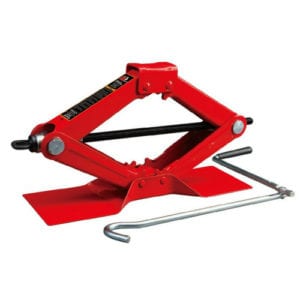 |
$24.97 | Lifts up to 15 in. and 3,000 lbs. | Lightweight
Affordable |
View on Amazon | Read review |
| Best navigation system |
 |
$249.99 | 6.95 in. touchscreen | Voice control | View on Amazon | Read review |
| Best steering wheel lock |
 |
$189.98 | Hardened steel
3 different sizes |
Tamperproof lock | View on Amazon | Read review |
*Data as of post date. Offers and availability may vary by location and are subject to change. SafeWise uses paid Amazon links.

Recent Articles




The post Pros and Cons of Raising the Driving Age appeared first on SafeWise.
Article source here: Pros and Cons of Raising the Driving Age
