Philips Lifeline Medical Alert System





Philips Lifeline gives its users the flexibility to feel safe at home and on the go with features like AutoAlert fall detection, up to six forms of GPS tracking, and easy-to-install equipment.
That said, Philips Lifeline isn’t a budget-friendly medical alert system. It costs about the same as an internet bill, making it a tough sell for many people without the extra cash. Plus, additional charges like activation fees and even self-installation fees can hike up the price.
Philips Lifeline pros and cons
 Advanced fall detection prevents false alarms 6 location technologies for bringing help to you Medication dispenser service Custom help list
 Self-installation charges No wall or shower buttons
Philips Lifeline cost
Philips Lifeline costs a minimum of $29.95 per month, which is about average for a medical alert system. But the equipment on sale for this price requires a landline and isn’t designed for more active adults. Even with this modest price, you’ll still have to pay an activation fee of $50 and pay for installation whether you hire a professional ($99) or do it yourself ($19.95).
Every plan requires an installation fee. Even do-it-yourselfers will have to account for an additional $20 tacked onto their initial bill. Thankfully, this isn’t a feature seen in many medical alert systems, but at least the installation fees are consistent for every plan. Self-installation is always an extra $20, and professional help is an additional $100 no matter what package you choose.
The good news is there are more affordable medical alert systems, but they may not have the features Philips does. So while you pay a hefty fee for this service, the tech you get is high quality.
Compare Philips Lifeline packages and prices
|
Package
|
Monthly price starts at
|
Installation fees
|
Other fees
|
Fall detection
|
Location technology
|
Connectivity
|
Learn more
|
|---|---|---|---|---|---|---|---|
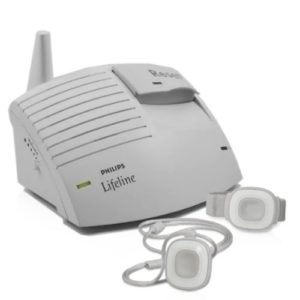 |
$29.95 | $19.95 (self) or $99.00 (pro) | $50.00 activation fee |
 No No |
No |
Landline or cellular | View Packages |
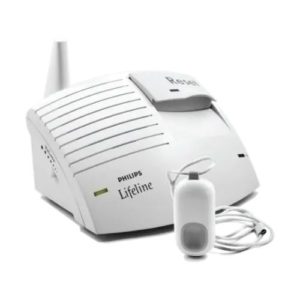 |
$44.95 | $19.95 (self) or $99.00 (pro) | $50.00 activation fee |
 Yes Yes |
No |
Landline or cellular | View Packages |
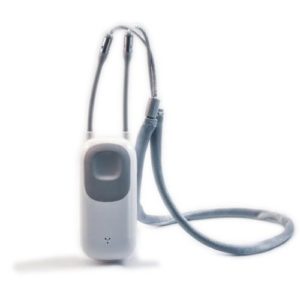 |
$49.95 | $19.95 (self) or $99.00 (pro) | $99.95 device fee |
Yes |
Yes |
Cellular | View Packages |
Info current as of publish date. Offers and availability may vary by location and are subject to change.
Philips Lifeline tech and equipment
Philips Lifeline has three main packages for all activity levels. The Lifeline pendant is the heart of all these systems. In the HomeSafe Standard package, you can wear the Lifeline as a bracelet or pendant and call for help with a single button.
Each necklace and bracelet has two-way communication that lets you reach support wherever you are. These alert devices are all waterproof too, so you can take them in the shower, pool, or out in the rain.
HomeSafe Standard or AutoAlert
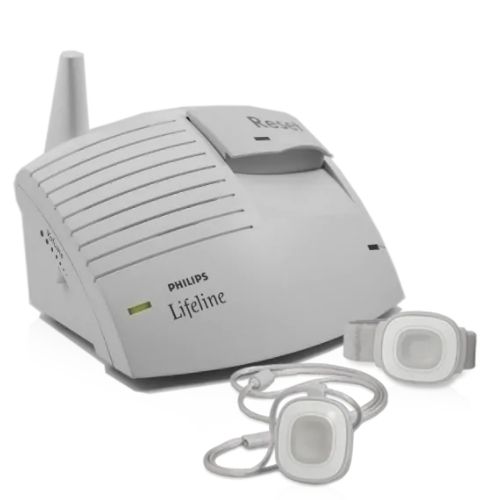
The HomeSafe Standard and HomeSafe with AutoAlert connect to your landline or local cellular network. These products are hybrids of at-home and on-the-go medical alert systems that work for almost any lifestyle. We’re personally fond of the AutoAlert system because it comes with automatic fall detection, making it easy to call for help if you fall.
Both systems have long battery life and are easy to set up. The cellular and landline systems take only a few minutes to install, but you can opt for professional installation and orientation for $99.
GoSafe 2
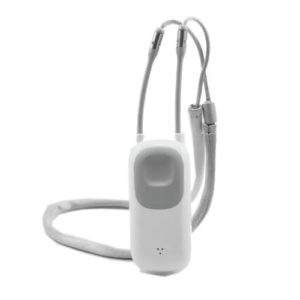
The GoSafe 2 is designed for independent older adults. It's fully cellular and designed for the most active users. A pendant-only package, it comes with built-in AutoAlert for falls and five forms of location technology.
While the GoSafe 2 costs nearly $50 per month, it’s a good investment if having a fall outside your home is a possibility.
AutoAlert Fall Detection
Most medical alert systems consider fall detection a separate service, selling it as an add-on in a different pendant or wristband. Philips Lifeline’s fall detection, also called AutoAlert, comes included in two of its packages.
The Philips pendants use an accelerometer, a barometer, and specially designed algorithms to measure speed, height, and pressure to sense falls. If you take a sudden spill on the stairs, your Philips pendant will notice and allow you 30 seconds to get up on your own.
If you’re unable to move or respond, a monitoring professional will contact you through the two-way communicator on the device. Falls are a serious threat to adults 65 and older. So, while this feature can be expensive, it may be worth the investment.
Philips Lifeline's advanced location technology
The location technology in the Philips Lifeline system uses multiple methods of tracking and pinpointing so help can find you no matter where you are.
A-GPS: Also called “assisted GPS,” this technology uses a satellite network to pinpoint the device’s location. It’s the most common form of location technology used in medical alert systems and can be helpful in public places like malls or parks.
Wi-Fi: You’d be hard-pressed to find a place without Wi-Fi. That’s why Philips Lifeline added a feature that connects to nearby Wi-Fi hotspots like hotels, restaurants, or homes to help first responders find your location.
Location breadcrumbs: Unlike Hansel and Gretel, you won’t get lost in the woods with this tech. This feature takes ongoing snapshots of your location throughout the day to create a digital trail of where you’ve gone.
Two-way communication: If these other systems fail or cannot connect, the two-way intercom built into the device lets you speak to a Philips pro. These trained professionals will call for help from your friends, family, or first responders depending on your needs.
Audio beacon: This feature emits a loud siren to help assistance get to you faster. The audio beacon is especially useful if you’re stuck in a dark place or hidden from plain view.
In-home communicator: This feature sends a signal to the in-home communicator to contact help from Philips. You’d have to opt for one of the GoSafe units for this feature, though.
Compare Philips Lifeline to other medical alert companies
|
Brand
|
Best for
|
Lowest monthly price
|
In-home range
|
Backup battery
|
Landline option available
|
Multiple wearable options
|
Learn more
|
Read review
|
|---|---|---|---|---|---|---|---|---|
 |
Best overall | $19.95/mo. | 1000 ft. | 32 hours |
Yes |
Yes |
View Packages | Read review |
 |
Best for fall detection | $29.95/mo. | 400 ft. | Not available |
Yes |
Yes |
View Packages | Read review |
 |
Best value | $24.95/mo. | 1300 ft. | 32 hours |
No |
No |
View Packages | Read review |
 |
Best GPS tracking options | $29.95/mo. | 1300 ft. | 32 hours |
Yes |
Yes |
View Packages | Read review |
 |
Best smart features | $24.99/mo. | 200 ft. | 6 hours |
No |
Yes |
View Packages | Read review |
 |
Best basic system | $19.95/mo. | 1400 ft. | 24 hours |
No |
Yes |
View Packages | Read review |
Info current as of publish date. Offers and availability may vary by location and are subject to change.
Final word
Philips Lifeline is expensive, but you get what you pay for. The engineers and designers at Philips Lifeline have thought their product through. The HomeSafe and GoSafe 2 packages are well designed, durable, and created to give you peace of mind. Just be ready to carve out room in your budget for this equipment.
Philips Lifeline FAQs
Philips Lifeline prices depend on which package, connection type, and installation method you choose. It can range anywhere from $29.95 to $58.95 per month. While activation fees vary with package level, you can always expect to pay $19.95 for self-installation and $99 for professional installation.
Philips Lifeline’s fall detection measures height, barometric pressure, and speed to detect sudden movements like those in a fall. It also comes equipped with an advanced algorithm to weed out false alarms from real ones. If you do fall, your AutoAlert device will wait 30 seconds before calling for help and connecting you to a Philips monitoring professional.
How we reviewed Philips Lifeline
Philips Lifeline has an in-depth website with information about its equipment, policies, and pricing. So we read all of it. We combed through product manuals, customer reviews, fine print, and more to get a complete picture of what it’s like to be a Philips Lifeline customer before creating this review.
We’ve also done the same with Philips's competitors like Bay Alarm Medical and Life Alert. Learning more about these other companies gave us a frame of reference to how Philips’ prices and product packages compare to similar services.
To learn more about our policies for reviews and articles like this one, read our full methodology.

Recent Articles




The post Philips Lifeline Medical Alert System appeared first on SafeWise.
Article source here: Philips Lifeline Medical Alert System
