How Can I Avoid Setting False Alarms?

Despite advanced technology, false alarms do happen occasionally. This can be a result of faulty equipment, dead batteries, improper installation, user error, or any number of other issues. There can be fines of up to $200 associated with repeated false alarms, but proper system use and maintenance can help you avoid those hefty expenses.
Here are some tips to minimize the chances of a false alarm.

By signing up, you agree to our Terms and Conditions and Privacy Policy.
1. Use pet-immune motion sensors
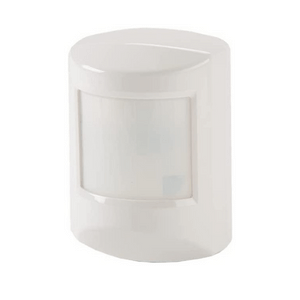
Active pets are frequent causes of false alarms. Luckily, there are special motion sensors with sensitivity settings that allow the alarm to ignore movement from pets. By installing pet-immune sensors, you can stop worrying about false alarms and let your furry friends roam freely through the house.
For more information, check out our beginner’s guide to motion sensors.
2. Practice entering your code
Another very common cause of false alarms is homeowners entering the wrong code to deactivate the alarm. Make sure everyone who needs to be able to deactivate the alarm knows the code well enough to enter it before the alarm triggers.
3. Keep the batteries fresh
Change the batteries in your home security equipment regularly. Low batteries can lead to false alarms. Typically, the equipment will notify you that the batteries are running low, but it’s not a bad idea to consult with your monitoring company to see if it recommends regular battery tests.
4. Keep the area around motion sensors clear
It’s not just pets that can trigger motion detectors—stray objects like balls rolling past sensors can also set the alarm off. Balloons are notorious for causing false alarms when they float by. Keep the area free of clutter and tie down anything that could be blown around by the air conditioner.
For more information, read our motion sensor placement guide.
5. Close windows and doors securely
It’s easy to leave the window open just enough to trigger the alarm. Get in the habit of closing all doors and windows tightly. This is a good tip to follow regardless of false alarms—you don’t want to give a potential intruder any help getting into your home.
6. Keep your home security equipment in good shape
Although most false alarms can be blamed on human error, faulty equipment can also trigger an alert. If any of your home security gear requires regular maintenance, make sure you keep up with it. And if you think there is a defect in any of the components, get it taken care of right away. This could mean contacting the company for warranty support or calling your home security provider to have a tech come out and look at it. Either way, don’t wait.
Compare the best home security systems
|
Brand
|
Best for
|
Lowest monitoring price
|
Starter equipment price
|
Contract required
|
Installation
|
Smart home compatibility
 |
Learn more
|
Read review
|
|---|---|---|---|---|---|---|---|---|
 |
Best overall | $29.99/mo. | $599.00 |
 No * No * |
Pro | Amazon, Google, Z-Wave |
View Packages | Read review |
 |
High-end DIY pick | $34.99/mo. | $129.00 |
No |
DIY | Amazon, Google, Z-Wave |
View Packages | Read review |
 |
Reader favorite | $17.99/mo. | $245.00 |
No |
DIY | Amazon, Google | View Packages | Read review |
 |
Best customer experience | $14.99/mo. | Quote required |
No * |
DIY | Amazon, |
View Packages | Read review |
 |
Most experienced | $27.99/mo. | $0.00 |
 Yes Yes |
Pro | Amazon, Google, Z-Wave |
View Packages | Read review |
Info current as of 04/12/21. Offers and availability may vary by location and are subject to change.
*$0 due up-front with consumer financing.
†No-contract options available with outright equipment purchase.
‡Landline monitoring only. Some restrictions apply. (Full disclaimer)
**With $99 installation charge and new monitoring agreement. Early termination fee applies. See full disclaimer for full offer details, terms, and conditions.
Disclaimer
Product prices and availability are accurate as of post date and are subject to change. Any price and availability information displayed on Amazon at the time of purchase will apply to the purchase of this product. Safewise.com utilizes paid Amazon links.
Certain content that appears on this site comes from Amazon. This content is provided “as is” and is subject to change or removal at any time.

Recent Articles


The post How Can I Avoid Setting False Alarms? appeared first on SafeWise.
Article source here: How Can I Avoid Setting False Alarms?

No comments:
Post a Comment