Your Makeup May Not Be Safe, Here’s Why

Your makeup may be hiding more than an exciting new look. It could be harboring mold. Mold in your cosmetics can cause breakouts and skin irritation.¹ And inhaling the mold can cause restricted breathing.2
We did some research and asked Michael Rubino, an air quality expert, for tips on fixing the problem so fixing your face is safer.
Image: Rodolfo Clix, Pexels

Get updates on the latest safety news, product releases, and deals.
By signing up, you agree to our Terms and Conditions and Privacy Policy.
Where is the best place to store your makeup?
“Not in the bathroom! When storing makeup, you want to place it in a cool, dry place. Bathrooms are the exact opposite of these types of environments, as we constantly bombard them with water from the shower, toilet, and sink,” says Rubino.
Makeup and makeup tools offer up a variety of edible options for mold spores. That’s why moldy makeup products can occur in the blink of an eye. Reducing the moisture removes the opportunity for growth and keeps those products safer and healthier for longer, says Rubino.
What types of makeup should we be tossing on the regular?
“All types of makeup can get moldy due to the ingredients within, but those that are used most frequently have a higher chance of getting moldy faster. As these products are taken out, opened, and applied to the face every day, harmful contaminants can build up within them, like bacteria and mold spores,” says Rubino.
When should I toss my makeup?
Use these guidelines for tossing your makeup:
- If a product has an expiration date stick to it and get rid of expired products.
- Keep a checklist of toss-out dates so you don't forget.
- Use your nose. If a product has a damp, musty, earthy smell or it just smells off, toss it.
Every type of makeup has a different amount of time it can be used before it goes bad.3 Use this list to help you determine when a product is past its prime:
- Mascara: 6 months
- Liquid eyeliners: 6 months
- Dry eyeliners: until they run out
- Concealers: months
- Cream-to-powder foundation compacts: months
- Creamy highlighter pencils: months
- Cream blushes: months
- Cream eye shadow: months
- Powder blush and eyeshadow: 2 years
- Lipstick: 6 months
- Lip balm: 6 months
Toss makeup tools on a regular basis too. “For reusable beauty blenders/makeup sponges, for instance, it’s safest to replace them at the three-month mark. A good idea is to set a series of phone reminders to help remember when to replace each item,” says Rubino.

Give more than just your makeup bag a safety check. Use our Complete Home Safety and Security Checklist to make your world safer.
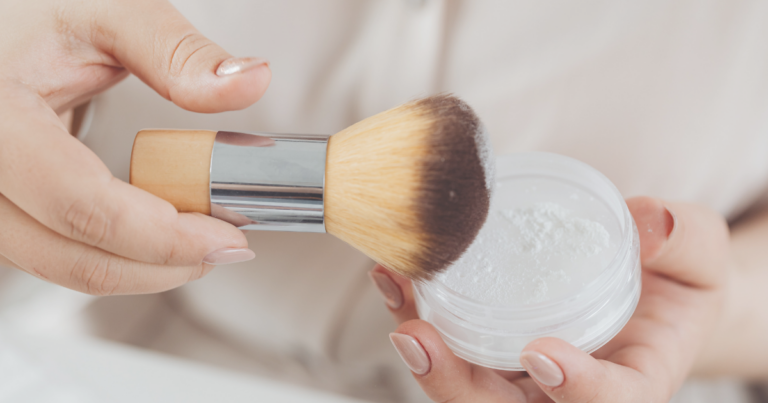
Image: Karolina Grabowska, Pexels
Is there a particular type of cleaning regimen that prevents mold growth the best?
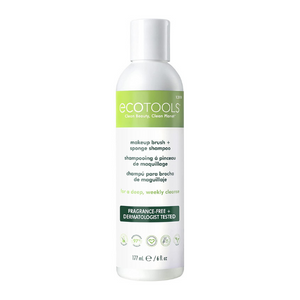
“The more frequently makeup tools are cleaned, the better. Since these items touch your face frequently, particles such as mold spores, organic matter, and bacteria can build up,” says Rubino. “By removing these particles, the brushes are cleaner and safer to use. They’re also free from components that can allow for mold growth, like skin cells.”
Here’s Rubino’s quick guide to the best cleaning routine:
- Makeup brushes: wash them with a gentle cleanser and hydrogen peroxide at least once a week.
- Makeup sponges: wash them with a gentle cleanser and hydrogen peroxide after every use.
- Eyelash curler: clean it with hydrogen peroxide once a week.
- Pencil sharpener: clean it with hydrogen peroxide after every use.
- Tweezers: clean them with hydrogen peroxide after every use.
Once everything is clean, make sure to allow each item to dry completely before placing it back into storage. According to Rubino, a damp item is a moldable item.
Related articles on SafeWise
Sources
- The Mayo Clinic, “The Risks of Using Expired Makeup,” December 6, 2021. Accessed March 10, 2022.
- The Mayo Clinic, “Mold Allergy.” Accessed March 10, 2022.
- Clevland Clinic, “When Should You Toss Your Makeup?” January 13, 2021. Accessed March 10, 2022.
Disclaimer
Product prices and availability are accurate as of post date and are subject to change. Any price and availability information displayed on Amazon at the time of purchase will apply to the purchase of this product. Safewise.com utilizes paid Amazon links.
Certain content that appears on this site comes from Amazon. This content is provided “as is” and is subject to change or removal at any time.

Recent Articles




The post Your Makeup May Not Be Safe, Here’s Why appeared first on SafeWise.
Article source here: Your Makeup May Not Be Safe, Here’s Why

No comments:
Post a Comment